Skip to content

How to Choose Bar Stools for Restaurants and Cafes?

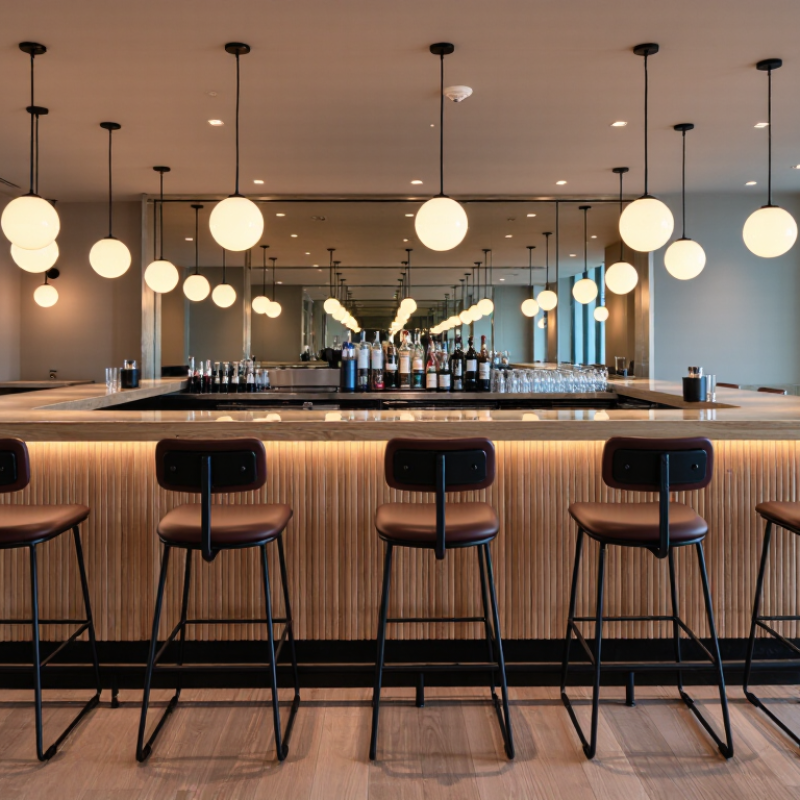
Choosing Bar Stools for a restaurant or café means balancing comfort, durability, and the room’s daily rhythm. A stool may look striking beside a polished counter, yet feel uncomfortable after a short meal. Mies van der Rohe, an influential architect and furniture designer, once said, “A chair is a very difficult object. A skyscraper is almost easier.” His observation fits commercial seating: small design choices shape how a space works.

Start by measuring the counter or bar, then compare its height with each stool’s seat height. A gap of roughly 10 to 12 inches between the seat and counter often feels comfortable, but test the fit when possible. Check whether guests can rest their feet, move in and out easily, and sit without bumping neighboring stools. In busy cafés, sturdy frames, wipeable finishes, and replaceable glides can matter more than decorative details. Looks matter. So does cleanup.

Consider the room’s traffic, too. A broad swivel stool may suit a spacious bar, while a compact backless model can free space in a narrow café. Upholstery adds softness, but spills may demand extra care. There is no perfect choice for every venue, and a sample stool may behave differently during a full service shift. This guide outlines the practical questions owners can use to compare styles, materials, heights, and layouts before buying. A little doubt helps; measure twice, and try before you commit.
How to Choose Bar Stools for Restaurants and Cafes?

Assess Your Restaurant or Cafe’s Seating Needs

How to Choose Bar Stools for Restaurants and Cafes?

Assess Your Restaurant or Cafe’s Seating Needs

Start by observing how guests actually use your space. A morning cafe may need quick, comfortable perches for solo customers. An evening restaurant may need wider stools for longer meals. Watch table turnover, queue patterns, and where guests place bags or coats.

Measure the available area before choosing a stool style. Allow enough knee space beneath counters, and keep clear walking paths around each seat. A narrow aisle can feel stressful during busy service. It can also slow staff carrying hot plates. Check counter height carefully, because the wrong stool height makes even attractive seating uncomfortable.

Count your busiest expected seating demand, not just your average traffic. Review sales records, reservations, and peak-hour observations. My first estimate once ignored weekend groups, leaving several empty-looking gaps that were difficult to use. That mistake showed me that flexibility matters. Movable stools can support changing layouts, but very light models may slide too easily on polished floors.

Consider guest variety as well. Some customers need back support, footrests, or more personal space. Families may prefer stable stools, while solo guests might accept compact seating. Test several models for at least thirty minutes. Notice pressure points, wobbling, cleaning difficulty, and staff movement. A stool can look perfect on a showroom floor and fail during a crowded lunch service. Think about maintenance, too. Spilled coffee reveals weak finishes quickly.

Measure Counter Height, Space, and Stool Placement

How to Choose Bar Stools for Restaurants and Cafes?

Measure the counter before choosing stools. Record the floor-to-counter height, including any thick countertop edge. A comfortable seat usually sits 10 to 12 inches below the counter surface. This gap gives diners room to move their knees. It also reduces pressure on the thighs during longer meals.

Space between stools matters just as much. Allow about 24 to 30 inches from one seat center to the next. Wider seats may need more room. Measure the actual stool width, not only the advertised seat size. Leave enough clearance behind seated guests for servers and passing customers. A narrow aisle can slow service quickly. Check door swings and nearby furniture, too.

I once planned a counter with attractive stools that looked fine on paper. The real layout felt crowded because the footrests overlapped. A simple cardboard mockup would have exposed that mistake earlier.

Place sample stools on the floor before ordering. Sit in them for several minutes. Test movement, cleaning access, and visibility across the counter. Backless stools save visual space, but some guests may find them tiring. Swivel seats improve access, yet they can require extra clearance. Think carefully. A practical layout should support comfort, safe movement, and efficient service throughout the busiest period.

Compare Stool Materials, Construction, and Durability

Material choice affects comfort, cleaning, and replacement cost. The National Restaurant Association’s 2024 industry report projected U.S. restaurant sales above $1 trillion, showing why seating durability deserves operational attention. A busy café may expose each stool to spills, scraping shoes, and repeated movement every day.

Solid hardwood feels warm, but porous finishes can absorb coffee and cleaning chemicals. Powder-coated steel resists impact and wipes clean quickly. Molded polypropylene is lighter and handles moisture well, though low-quality plastic may flex or fade. Upholstery adds comfort. It also creates seams where crumbs hide. That detail matters during closing duties.

Construction often decides lifespan more than appearance. Look for reinforced joints, fully welded metal frames, replaceable glides, and footrests with stable support. ANSI/BIFMA seating standards include repeated-load testing, with some chair tests reaching 100,000 cycles. A restaurant stool should not be judged by a showroom sit alone. Test wobble on uneven flooring. Check whether screws loosen after several uses. I would also question overly thin legs; they may look elegant but transfer stress into the joints. The practical choice is a material and frame that staff can clean quickly, inspect easily, and repair without replacing the entire stool.

Choose Comfort, Style, and Practical Features

Choosing bar stools for a restaurant or cafe requires more than matching the interior. Comfort, style, and practical features must work together during busy service. A seat height of 70–80 centimetres usually suits a standard bar counter, but measure your counter before ordering. Guests should rest their feet naturally, without dangling legs. A supportive backrest and a slightly curved seat can make a short coffee feel much longer.

Style should strengthen the room’s atmosphere, not compete with it. Wood can add warmth, while metal often creates a cleaner, more industrial impression. Choose finishes that tolerate frequent wiping and resist visible scratches. Rounded edges are safer around crowded walkways. Stable legs matter too. A stool that rocks on a tiled floor quickly damages customer confidence. I once preferred a striking design over a practical one, and cleaning it became frustrating. That choice needed more thought.

Tips: Test one sample during a busy shift. Sit on it for ten minutes. Check the footrest, seat pressure, and movement around nearby tables. Leave enough space between stools for coats, elbows, and staff carrying trays. Water-resistant upholstery is useful, but no material stays perfect without regular care. Ask staff for feedback, because they notice small problems customers may not mention. Keep replacement parts available when possible. Practical details often shape comfort more than appearance.

How to Choose Bar Stools for Restaurants and Cafes?

Choose a stool height that leaves approximately 10–12 inches of comfortable clearance between the seat and the counter or table surface.

  • Dining height: 16–18 inch seat height for 28–30 inch tables.
  • Counter height: 24–26 inch seat height for 34–36 inch counters.
  • Bar height: 28–30 inch seat height for 40–42 inch bars.
  • For busy restaurants and cafes, prioritize supportive backrests, durable upholstery, stable footrests, and easy-clean materials.

Check Safety, Cleaning, and Maintenance Requirements

Choosing bar stools for a restaurant or cafe requires more than matching colors and height. Safety, cleaning, and maintenance should guide every purchase.

Check that each stool stands firmly on an even floor. Wobbly legs create immediate risks for guests and staff. Test the joints, welds, screws, and footrests before ordering large quantities. A strong footrest supports tired legs and reduces pressure on the seat edge. Confirm the stool suits your counter height, allowing comfortable knee and elbow space. Follow applicable local safety requirements, especially for public seating. Load capacity should be clear and suitable for frequent commercial use.

Cleaning needs deserve equal attention. Select surfaces that resist spills, grease, and repeated wiping. Smooth sealed finishes usually clean faster than deep textures. Inspect seams carefully. They can collect crumbs, moisture, and cleaning chemicals. Upholstery should tolerate the cleaning method your staff can perform consistently. I once preferred a textured seat because it looked warmer, but daily cleaning proved slower than expected. That choice needed more thought.

Maintenance schedules prevent small defects from becoming accidents. Staff can check loose fasteners, cracked seats, sharp edges, and damaged floor glides each week. Replace worn parts promptly. Do not wait for a guest complaint. Keep approved cleaning instructions near the storage area, since improvised chemicals may damage finishes. Rotate stools when possible. It reduces uneven wear, although busy cafes may not manage this perfectly. Keep records of repairs and recurring problems; those notes often reveal whether the original design truly suits the operation.

How to Choose Bar Stools for Restaurants and Cafes? - Check Safety, Cleaning, and Maintenance Requirements

Selection Dimension Recommended Requirement Why It Matters in Restaurants and Cafes Inspection or Maintenance Check
Seat height Use approximately 24–26 inches (61–66 cm) for counter-height surfaces and 28–30 inches (71–76 cm) for bar-height surfaces. Correct height improves legroom, posture, guest comfort, and table accessibility. Measure the finished floor-to-seat height after installation and confirm that stools do not interfere with the counter structure.
Legroom and spacing Allow about 9–12 inches (23–30 cm) between the top of the seat and the underside of the counter. Keep enough lateral space for comfortable seating and service access. Reduces knee contact, crowding, accidental collisions, and blocked service paths. Check spacing with stools fully pushed in and pulled out; confirm that aisles and emergency routes remain clear.
Base stability Select a wide, rigid base or four-leg frame with level contact points. Avoid excessive rocking or lightweight frames that tip easily. Stable seating helps prevent falls, spills, and injuries during frequent customer movement. Place the stool on a flat surface, apply pressure from several directions, and tighten or replace loose fasteners.
Footrest design Choose a continuous or securely attached footrest with smooth, rounded edges and sufficient clearance for different users. Supports the feet, reduces pressure behind the knees, and makes taller seating more comfortable. Inspect welds, brackets, and protective finishes for cracks, sharp edges, loosening, or corrosion.
Backrest and armrests Use a backrest when guests are expected to sit longer. Choose armrests only when they fit beneath or beside the counter without restricting movement. Back support improves comfort, while unsuitable arms can reduce usable space and cause impact damage. Check joints for movement and verify that backs and arms do not contact walls, counters, or neighboring stools.
Material selection Prefer sealed metal, finished wood, molded plastic, or commercial-grade upholstery suited to the venue’s moisture, heat, and traffic levels. Appropriate materials resist staining, moisture damage, abrasion, and repeated cleaning. Look for peeling finishes, swelling wood, rust, exposed foam, torn upholstery, and discoloration.
Cleanability Choose smooth, non-porous, easy-to-reach surfaces with minimal seams, deep crevices, or decorative openings that trap food and dirt. Simplifies routine sanitation and reduces hidden contamination points between customers. Wipe high-touch areas after service periods and clean spills promptly according to the material manufacturer’s instructions.
Upholstery and cushions Use stain-resistant, moisture-resistant commercial upholstery or removable covers where practical. Avoid materials that absorb liquid quickly. Helps manage drink spills, food residue, odors, and heavy daily use. Blot spills instead of rubbing, use approved cleaners, dry thoroughly, and repair torn covers before foam becomes exposed.
Floor protection Fit durable, non-marking feet or glides that match the floor type and are securely attached. Protects flooring, reduces noise, and prevents stools from sliding unexpectedly. Replace worn, missing, or hardened glides and check that all legs contact the floor evenly.
Moving and rotating parts Use swivel or adjustable mechanisms only when they are rated for commercial use and include secure locking or controlled movement. Poorly maintained mechanisms can cause sudden movement, instability, or pinch points. Test movement regularly, keep mechanisms free of debris, and remove stools from service if height controls slip or fail.
Load capacity Choose seating with a documented load rating appropriate for public use and avoid exceeding the manufacturer’s stated limit. Adequate capacity reduces structural fatigue and the risk of frame or joint failure. Review the product specification, inspect high-use stools more frequently, and never use stools as step ladders.
Fire and regulatory suitability Verify local building, fire, accessibility, sanitation, and workplace-safety requirements before purchase and installation. Requirements vary by location, occupancy, layout, and use; compliance cannot be determined by appearance alone. Keep product documentation on file and reassess the layout after renovations or changes in seating capacity.
Daily cleaning routine Clean visible dirt and spills promptly, then follow the venue’s approved cleaning and sanitizing procedure for food-service areas. Fast response prevents stains, odors, sticky surfaces, and deterioration of protective coatings. Record cleaning responsibilities, avoid soaking wood or mechanisms, and do not mix chemical cleaners.
Replacement criteria Remove a stool from service when it has a cracked frame, unstable base, failed weld, exposed sharp edge, broken seat, or mechanism that cannot be safely repaired. Prompt replacement prevents avoidable injuries and protects guests, staff, floors, and surrounding furniture. Use a documented inspection checklist and tag defective stools so they cannot be returned to service accidentally.

Practical note: Always follow the stool manufacturer’s cleaning instructions and confirm applicable local safety, accessibility, fire, and occupancy regulations before installation.

Scroll To Top