
10 Best Dining Tables for Global Buyers?
Choosing the right dining table can change how a room feels, works, and welcomes guests. This guide explores 10 Best Dining Tables for Global Buyers, based on practical features rather than appearance alone. We consider construction, surface durability, seating capacity, maintenance, and shipping demands. A beautiful table may still disappoint if its legs wobble or its finish marks easily. Small details matter.
Our review considers solid wood, engineered wood, glass, stone, and extendable designs. Each option suits different homes, climates, budgets, and dining habits. We examine table dimensions carefully, including clearance for chairs and comfortable walking space. A 180-centimeter table can seat six, but bulky chairs may reduce comfort. Packaging also deserves attention. Heavy tops need reinforced protection during international transport. Buyers should confirm assembly instructions, warranty terms, material origins, and local import requirements before purchasing.
No table wins every room. That is worth remembering. Our selections reflect informed comparisons, not absolute judgments. Even experienced reviewers can overlook personal preferences, such as a dislike of visible wood knots or high-gloss surfaces. Therefore, this guide highlights strengths, limitations, and realistic use cases. You will find options for family meals, compact apartments, formal entertaining, and commercial interiors. The best Dining Tables balance design, stability, responsible manufacturing, and everyday practicality. Examine the measurements twice. A stylish purchase should also remain dependable after years of shared meals.
How to Choose the Best Dining Table for Global Buyers
How to Choose the Best Dining Table for Global Buyers
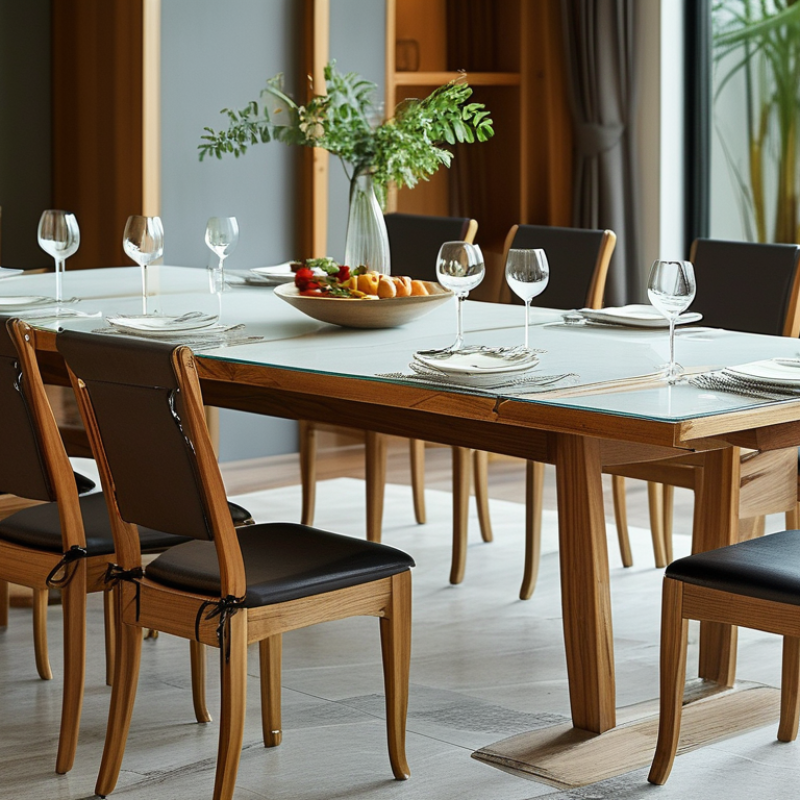
Choosing the best dining table starts with the room, not the product photograph. Global buyers must measure floor space, doorways, lifts, and stair turns before ordering. Leave at least 90 centimeters around the table for comfortable movement. A 180-centimeter table can seat six adults, but only when chairs have enough elbow room. I have seen beautiful tables become impractical because delivery teams could not pass through narrow entrances. Measure twice.
Material choice depends on climate, use, and maintenance habits. Solid wood offers character, but humidity may cause slight movement or surface gaps. Engineered wood can provide better stability and consistent sizing. In coastal homes, sealed surfaces help resist moisture and accidental spills. Look closely at the table edge, joint construction, and underside finish. These details often reveal more than glossy photos. Ask for moisture guidance, care instructions, and replacement hardware. Vague answers deserve caution.
Shipping also shapes value. Confirm the packed dimensions, total weight, assembly method, and protective packaging. International delivery can expose corners to impact and furniture to temperature changes. A removable tabletop may reduce shipping difficulty, though it can add assembly work. Request clear installation diagrams and check whether standard tools are enough. I still underestimate assembly time sometimes. A table that fits the room, survives its climate, and arrives safely is usually a wiser choice than the most fashionable option.
10 Best Dining Tables for Global Buyers? - How to Choose the Best Dining Table for Global Buyers
A practical comparison of widely available dining-table types, using standard dimensions, seating capacity, materials, maintenance needs, and suitability for different homes and climates.
| No. | Table Type | Typical Size | Seating | Common Materials | Main Advantages | Maintenance | Best For |
|---|---|---|---|---|---|---|---|
| 1 | Solid Wood Rectangular Table | 180–240 × 90–105 cm 71–94 × 35–41 in |
6–10 people | Oak, ash, rubberwood, acacia, walnut, or other responsibly sourced solid wood | Long service life, repairable surface, strong visual warmth, and good resale appeal | Use coasters and placemats; wipe spills promptly; periodically renew the protective finish | Large dining rooms, family homes, and buyers seeking long-term value |
| 2 | Extendable Dining Table | 140–180 cm closed; 200–280 cm extended |
4–10 people | Solid wood, wood veneer over engineered wood, or a mixed wood-and-metal structure | Compact for everyday use and expandable for guests; efficient for homes with variable occupancy | Keep extension rails clean and dry; operate leaves evenly; store removable leaves flat | Apartment owners, occasional entertainers, and multi-purpose dining areas |
| 3 | Round Pedestal Table | Diameter: 110–150 cm 43–59 in |
4–6 people | Solid wood, engineered wood, stone, or a wood top with a central pedestal base | Encourages conversation, removes corner hazards, and provides more legroom than many four-leg designs | Protect the top from heat and standing water; check pedestal fasteners periodically | Small rooms, breakfast areas, and households prioritizing easy conversation |
| 4 | Oval Dining Table | 160–220 × 90–105 cm 63–87 × 35–41 in |
6–8 people | Wood, veneer, laminate, engineered stone, or tempered glass | Offers rectangular-table capacity with softer corners and smoother circulation around the room | Clean according to the top material; avoid sliding abrasive objects across the surface | Narrow dining rooms, homes with children, and open-plan spaces |
| 5 | Compact Square Table | 90–120 × 90–120 cm 35–47 × 35–47 in |
2–4 people | Rubberwood, oak veneer, laminate, bamboo, or powder-coated metal with a wood top | Fits efficiently into compact rooms and provides equal reach for diners on all sides | Keep joints dry; use protective pads under tableware and avoid excessive concentrated loads | Studios, small kitchens, cafés, and two- to four-person households |
| 6 | Engineered Wood Dining Table | 120–200 × 75–100 cm 47–79 × 30–39 in |
4–8 people | MDF or particleboard core with laminate, melamine, or wood veneer surface | Consistent dimensions, broad style selection, lower weight, and generally more accessible pricing | Do not soak; seal exposed edges; use a damp—not wet—cloth for routine cleaning | Budget-conscious buyers, rental properties, and frequently changing interiors |
| 7 | Tempered Glass Table | 120–180 × 75–100 cm 47–71 × 30–39 in |
4–6 people | Heat-treated safety glass with stainless steel, aluminum, wood, or coated steel frame | Visually light, easy to match with different interiors, and resistant to ordinary surface moisture | Use non-abrasive glass cleaner; avoid sharp impacts on edges and sudden extreme temperature changes | Modern interiors, smaller rooms, and spaces needing a lighter visual footprint |
| 8 | Ceramic or Sintered-Stone Top | 140–220 × 80–105 cm 55–87 × 31–41 in |
4–8 people | Ceramic, porcelain, or sintered-stone panel on a steel, aluminum, or engineered support frame | High resistance to stains, scratches, and heat compared with many wood or laminate surfaces | Clean with a soft cloth; protect edges from heavy impact; use manufacturer-approved products | Busy households, frequent cooks, and warm or humid environments |
| 9 | Outdoor-Ready Dining Table | 140–220 × 80–105 cm 55–87 × 31–41 in |
4–8 people | Powder-coated aluminum, teak, treated hardwood, stainless steel, or weather-resistant composite | Designed for patios and balconies; lightweight aluminum options are easier to move and resist rust | Use a breathable cover; remove standing water; follow regional care requirements for wood and metal finishes | Balconies, terraces, gardens, hospitality areas, and buyers in variable climates |
| 10 | Drop-Leaf or Folding Table | 60–90 cm closed; 120–180 cm open length |
2–6 people | Solid wood, engineered wood, bamboo, aluminum, or steel with a coated top | Easy to store, transport, and reconfigure; useful where floor space changes throughout the day | Check hinges and locking mechanisms; fold only when fully clear of tableware and moisture | Micro-apartments, temporary housing, flexible workspaces, and mobile households |
Related Posts
-
Why Source Dining Tables from Global Suppliers?
-
Top Fabric Chairs You Should Consider for Your Home?
-
Top 10 Stacking Chairs for Your Space What to Consider?
-
Best Outdoor Chairs for Comfort and Style in 2026?
-
Why Choose Outdoor Chairs for Your Home and Garden?
-
Top 10 Fabric Chairs to Buy for Your Home in China?